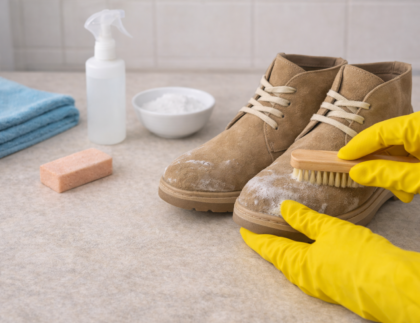
After the renovation work is completed, we are faced with the task of restoring cleanliness and order. Effective cleaning not only helps maintain the aesthetic appeal of your space, but also has important hygienic significance, removing construction dust and other pollution that can affect health. Quick cleaning minimizes the discomfort of staying in a messy space and helps you return to your normal rhythm of life more quickly. In this article, we will look at how to optimize the cleaning process and what tools and means will ensure the most effective results so that your home shines with cleanliness again.
Preparing for cleaning
Preparing for post-renovation cleaning requires gathering all the necessary tools and materials to make the process go smoothly and efficiently. Here is a list of the basic equipment you will need:

- Gloves and masks to protect the skin and respiratory tract from dust and chemicals.
- Vacuum cleaner with dry and wet cleaning function, which will allow you to collect construction dust and dirt.
- Cleaning agents depending on the types of surfaces that need cleaning.
- A bucket, rags and mops for wet cleaning.
- Garbage bags for collecting waste.
Planning and systematizing work will help make cleaning more organized and less tiring. Make a plan in which you determine the sequence of steps: from large to small rooms or from less dirty to more dirty. This will allow you not to spread dirt and dust to clean areas and will provide better control over the cleaning process. With clear planning and the availability of all the necessary tools, you will be able to effectively clean the space after renovation and return it to its original appearance and cleanliness.
Cleaning construction dust and dirt
Construction dust and dirt are one of the most persistent pollutants after renovation. The following methods should be followed to effectively remove them:

- Preliminary cleaning: Before starting wet cleaning, it is necessary to remove as much dust as possible using a dry method. Use a vacuum cleaner with a good filter to capture fine particles. Pay attention to corners, skirting boards, window frames and other places where dust can accumulate.
- Wet cleaning: After removing the basic amount of dust, proceed to wet cleaning. Use microfiber cloths that effectively capture dust and do not leave fibers behind. It is important to wash or change the cloths regularly during cleaning to prevent the spread of dust.
- Hard surface cleaning: Use appropriate cleaning agents for wooden, ceramic or metal surfaces. Always test the agents on an inconspicuous area first to avoid possible damage.
- Treatment of textile surfaces: It is recommended to clean carpets and upholstered furniture using steam cleaners or specialized textile shampoos. This helps remove dust and dirt that has penetrated deep into the fibers.
- Repeated cleaning: Repeat wet cleaning several times until the surfaces are completely free of dust and dirt. This may require several rounds depending on the degree of contamination.
These steps will help you effectively clean your apartment after renovation, ensuring that the space is clean and ready for further use.
Cleaning Windows and Mirrors
Cleaning windows and mirrors after renovation requires special attention, as glass surfaces get dirty easily and reveal any traces left during cleaning. Here are some tips on how to effectively restore their transparency:

Removing coarse dirt:First remove large particles of dirt and dust with a dry soft cloth or brush to prevent scratching the glass during wet cleaning.
Preparing the solution:Use a specialized window cleaner or mix water with regular vinegar (1:1 ratio) to effectively remove dirt and grease stains.
Washing the glass: Apply the prepared solution to the glass using a sponge or soft cloth. Wash the glass carefully, moving from top to bottom so that the solution flows down and carries the dirt with it.

Polishing: After washing the glass, wipe the surface with a clean, dry microfiber cloth or tissue to achieve a perfect shine.
Cleaning frames and door frames: Don't forget to clean frames and door frames, which can also collect dirt during the renovation. Use a damp cloth and cleaning agent to do this.
Caring for floors and carpets
Proper care of floors after renovation is important for their long-term durability and beauty. The choice of appropriate cleaning agents and methods depends on the type of floor covering:

Wooden floors:
Use a specialized wood cleaner that does not contain harsh chemicals that could damage the surface or leave streaks. Cleaning should be done with a soft damp cloth, removing excess water to prevent the wood from swelling.
Ceramic tiles:
Most all-purpose cleaners can be used for ceramic floors. When cleaning, pay attention to the gaps between the tiles, where dirt and dust can collect. Use a brush to deep clean these areas.
Carpet coverings:
Carpets require special attention due to their ability to collect dust and allergens. Use a vacuum cleaner with good filters to remove dust regularly. Deep cleaning of carpets should be done using a steam cleaner or specialized carpet shampoos.

General recommendations:
Regardless of the type of floor, always test cleaning products on an inconspicuous area first.Regular cleaning is key to keeping your floors clean and looking their best.
By following these tips, you will be able to effectively keep your floors in your home or office clean and tidy, extend their lifespan, and maintain their beautiful appearance.
Kitchen and bathroom cleaning

Cleaning the kitchen and bathroom after renovation requires special attention due to their susceptibility to contamination and the need to maintain a high level of hygiene. Here are some important aspects to consider:
- Surface disinfection: In kitchens and bathrooms, it is necessary not only to clean, but also to disinfect surfaces that come into contact with food and the body. Use disinfectants capable of destroying bacteria and viruses. Focus on kitchen countertops, sinks, toilets, bathtubs and faucets.
- Polishing: After disinfection, polish stainless steel, glass and ceramic surfaces with special products that will restore their shine. These can be specialized polishes for chrome and glass that not only clean but also leave a protective film that repels water and dirt.
- Cleaning tiles and grout: Bathrooms and kitchens are often tiled, the grout between tiles can be dirty. Use brushes and specialized cleaners to thoroughly clean the grout to remove mold and dirt.
- Descale: Faucets and shower heads can be dirty with limescale. To restore their functionality and shine, use a vinegar solution or special limescale removers.
Completing the cleaning of these key areas not only creates a visually pleasing space, but also ensures a healthy and safe environment for all users.
Tips for organizing your space after renovation

After finishing the post-renovation cleaning, it's time to organize the space, which should not only be beautiful but also functional. Here are some tips for effectively arranging furniture and other items:
- Zone planning: Determine how different parts of the room will be used, and arrange the furniture so that each zone serves its purpose—for example, a reading corner, a work area, a relaxation area.
- Proper furniture placement: Place large pieces of furniture, such as sofas and cabinets, first, making sure they don't block passageways or access to light. Furniture should help define the space, not overwhelm it.
- Consideration of lighting: When placing furniture, consider the placement of light sources. Reading and work areas should have plenty of light.
- Decorative elements: Use decorative elements to add character to each zone. Paintings, plants, rugs and other accessories will help to emphasize style and add coziness.
Completing the organization of the space after renovation, it is important to maintain a balance between beauty and practicality so that your home or office is not only visually attractive, but also comfortable for everyday use.
Cleaning after renovation is an essential part of any renovation. Thorough cleaning after renovation is key to restoring order and comfort in your home or office. Proper cleaning of construction dust, dirt and material residues not only ensures the aesthetic appeal of the space, but also plays a key role in maintaining a healthy environment for living and working. Using the right tools and means for cleaning various surfaces, from floors to windows, ensures that each room is not only clean, but also safe. Post-renovation cleaning often requires careful planning and experience to remove even the smallest debris. Organizing furniture and decorative items adds the final touch to the renovation of your space. Such cleaning reinforces the feeling of comfort and confidence that your home or workplace is ready to welcome a new day.